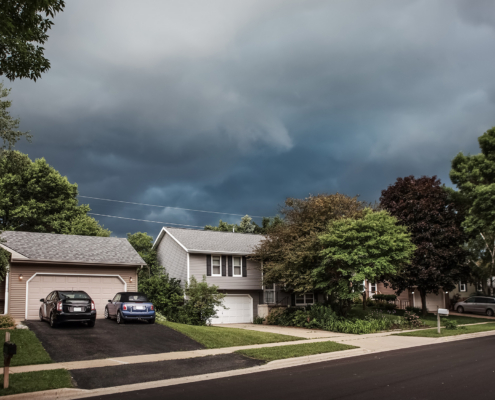
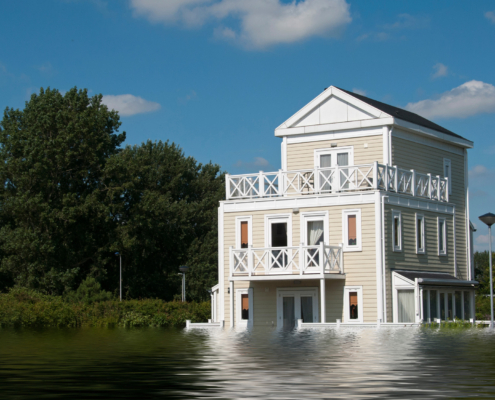
Arkansas flood exposure is not limited to one type of neighborhood or one type of storm. River flooding can build over days as water rises and spreads into low lying areas. Flash flooding in Arkansas can happen much faster when intense rain overwhelms drainage, ditches, creeks, and culverts. In those moments, water can move into streets and yards quickly, then push into garages, crawlspaces, and ground level rooms before anyone has time to react.
Spring flooding in Arkansas is also a practical seasonal concern. A few rounds of heavy rain can saturate the ground and reduce how much water the soil can absorb. That means later storms can create runoff faster, even if rainfall totals do not look extreme on paper. Add uneven terrain, older drainage systems, and localized low spots, and you get a risk pattern that can affect many homeowners, not just those who live next to a major river.
It is also worth remembering that flooding can happen outside mapped high risk zones. Maps are useful tools, but they cannot predict every localized drainage issue or every unusual downpour. If you have ever seen water pool near your foundation, collect in your yard, or push toward your garage after storms, treat that as a signal to review your coverage.